
Short-term stays offer flexibility, but true comfort rarely happens by accident. Whether your trip is work-driven, transitional, or purely restorative, the best outcomes come from matching the right space with routines that reduce daily friction. A well-chosen temporary home should support quality sleep, simple meals, reliable connectivity, and smooth logistics, so you can focus on the purpose of your visit instead of solving preventable problems.
The Right Home Shapes Daily Ease
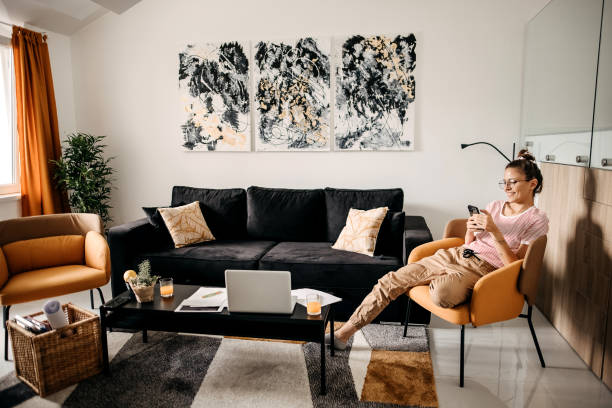
Comfort starts with selecting a space that is designed for living, not merely sleeping. Look for a layout that separates rest from work, along with practical factors like natural light, dependable climate control, and reasonable sound insulation. Beyond the interior, location directly impacts convenience, because easy access to groceries, pharmacies, and transit reduces time spent on errands and increases time spent resting.
Neighborhood Fit Protects Your Routine
Convenience is often determined by what surrounds the property. When everyday needs are walkable, and transit is straightforward, the stay feels smoother and more predictable. If you’re considering Brooklyn, a Bed Stuy brownstone for rent can be an appealing option when it aligns with your schedule and puts you close to the services you’ll use repeatedly, while also matching your expectations around street activity, lighting, and nighttime noise.
Sleep Quality Drives Short-Term Comfort
The quickest way to upgrade any temporary stay is to prioritize sleep quality. Confirm bed size, linen availability, and window coverage, then set the room up for consistent rest by controlling temperature and limiting light and noise. Small details such as keeping the bedroom uncluttered and placing essentials nearby can reduce first-night disruption and improve recovery throughout the stay.
A steady wind-down improves rest
A consistent evening rhythm helps your body adapt faster, even when the environment is unfamiliar.
Light and temperature reduce wake-ups
Adjusting the thermostat early and blocking outside light can prevent restless sleep and premature waking.
Essentials nearby keep nights calm
Keeping chargers, water, and any nighttime items within reach reduces friction and lowers stress.
Noise control supports deeper sleep
A fan, white-noise app, or simple room choice can make a noticeable difference in lively areas.
Mornings run better with prep
Lying out clothing and planning your first task the night before creates a smoother start.
A Practical Kitchen Enables Convenience
A functional kitchen is less about elaborate cooking and more about supporting everyday ease: coffee, quick breakfasts, and healthier options between outings. Confirm the basics are usable and clean, including a decent pan, knife, cutting board, and enough dishes to avoid constant washing, while small touches inspired by dining room decor ideas can make the space feel more inviting and comfortable for daily use. Even minimal grocery planning on day one can prevent repeated takeout decisions and reduce time lost to frequent store trips.
Amenities Should Match Real Habits
Amenities are only valuable when they reflect the way you actually live. If laundry is essential, prioritize in-unit machines or reliable nearby options; if movement matters, confirm space for stretching or a gym within easy reach; if you stay longer, storage becomes a daily comfort feature. Many travelers also appreciate the benefits of vacation rentals because they can offer kitchens and living areas that support routine and reduce dependence on outside services.
Work Readiness Improves Trip Efficiency
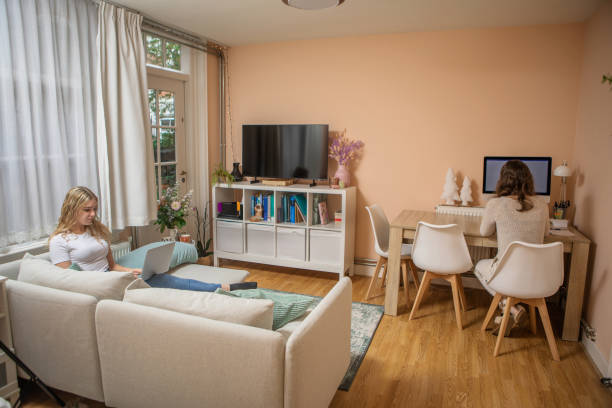
If your stay includes remote work or planning-heavy days, a dependable setup directly affects comfort. Ask about Wi‑Fi reliability and router placement, then choose a spot with stable lighting and a chair suitable for longer use. Bringing a compact multi-port charger can simplify device management and prevent the inconvenience of limited outlets.
Small Essentials Create Instant Familiarity
Overpacking adds clutter, yet underpacking creates daily inconvenience. A simple “comfort capsule” can raise your baseline quickly, including earplugs, an eye mask, travel slippers, a reusable water bottle, and a compact toiletry kit that stays organized. Adding one or two personal routine items, such as preferred tea or a familiar snack, can make the space feel settled sooner.
Clear Host Support Prevents Disruptions
Professional comfort is often driven by clarity and responsiveness. Confirm check-in steps, entry instructions, and how to request help if something is not working. When issues arise, communicate early with specific details, because fast resolution prevents minor inconveniences from shaping your overall experience.
A Calm Exit Completes The Stay
The final days should be as organized as the first. Review checkout requirements in advance, plan your luggage timing, and confirm key return instructions so you avoid a rushed departure. If you’ve booked a Bed Stuy brownstone for rent or any residential-style property, aligning your departure with building etiquette and quiet hours can also prevent unnecessary stress while keeping the checkout process straightforward.
Conclusion
Maximizing comfort and convenience in a short-term stay comes down to intentional decisions that protect your routine. Choose a home and neighborhood that simplifies daily needs, prioritizes sleep and basic food readiness, sets up reliable work conditions when required, and communicates clearly to prevent small problems from escalating. With thoughtful preparation and a few high-impact habits, your temporary stay can feel efficient, stable, and genuinely restorative.