

In recent years, travelers have increasingly gravitated towards short-term rentals as their preferred accommodation option over traditional hotels. This shift is driven by a myriad of benefits that short-term rentals offer, including personalized experiences, cost-effectiveness, and unique locations. As travelers seek more authentic and immersive experiences, short-term rentals have emerged as a compelling choice. In this blog post, we will explore why short-term rentals are a better choice than hotels and how they enhance the overall travel experience.
The Rise of Short-Term Rentals
The popularity of short-term rentals has exploded over the last decade. According to a report by Statista, the global short-term vacation rental market was valued at approximately $87 billion in 2020 and is projected to reach $113.9 billion by 2025. Platforms like Airbnb, Vrbo, and Booking.com have revolutionized how people choose their travel accommodations. The rise of these platforms has made it easier for travelers to find unique homes, apartments, and villas that suit their personal preferences and needs.
Personalized and Unique Experiences
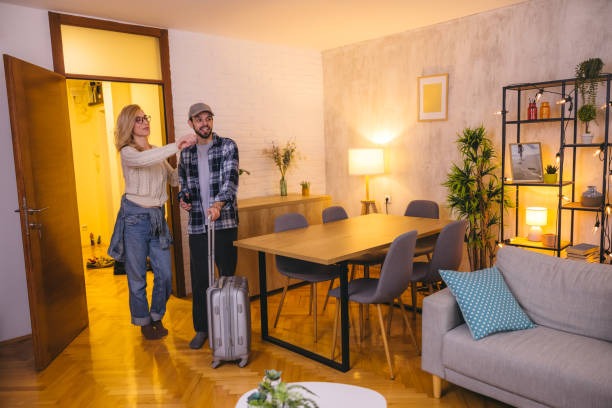
One of the most significant advantages of short-term rentals is the personalized and unique experience they offer. Unlike hotels, which often have standardized rooms and amenities, short-term rentals provide an array of options tailored to individual tastes. Whether you’re looking for a cozy cabin in the woods, a chic urban apartment, or a beachfront villa, short-term rentals offer a variety of choices that reflect diverse architectural styles and interior designs.
Moreover, short-term rentals often provide amenities that hotels cannot match. For example, having a fully equipped kitchen allows travelers to prepare their own meals, adding a touch of home comfort and giving them the flexibility to savor local ingredients. Many short-term rentals also include outdoor spaces such as gardens, terraces, or balconies, offering a relaxing retreat after a day of exploration.
Cost-Effective Accommodations
Short-term rentals are typically more cost-effective than hotels, especially for families or groups traveling together. A report by CNN found that a short-term rental can save you up to 50% compared to booking multiple hotel rooms. This cost advantage is particularly evident during peak travel seasons or in popular tourist destinations where hotel prices can skyrocket.
Moreover, short-term rentals often have fewer additional charges than hotels. While hotels may charge for parking, Wi-Fi, or extra beds, many short-term rentals include these amenities in the base price. Additionally, travelers can save money by cooking in their rental rather than dining out for every meal.
Immersive and Authentic Local Experiences
Staying in a short-term rental allows travelers to immerse themselves in the local culture in a way that hotels cannot. Rentals are often situated in residential neighborhoods, providing a more authentic local experience. Guests can experience life as a local, discovering nearby cafes, parks, and markets that are frequented by residents rather than tourists.
For instance, choosing apartments for rent in Greenpoint, Brooklyn, offers a unique opportunity to explore one of New York City’s most vibrant neighborhoods. Greenpoint is known for its eclectic mix of art galleries, boutique shops, and artisanal eateries. Staying in a rental here allows visitors to enjoy a slice of Brooklyn life away from the crowded tourist areas.
Flexibility and Privacy
Short-term rentals offer greater flexibility and privacy compared to hotels. Guests can check in and out at their convenience without adhering to rigid hotel schedules. Rentals also provide a level of privacy that is not typically available in hotels. Guests can enjoy their space without interruptions, making it an ideal choice for families or groups who appreciate quiet and solitude.
According to a survey by Airbnb, 84% of guests value having access to their own kitchen, and 70% appreciate the ability to check in and out conveniently. These features enhance the travel experience by giving guests control over their itinerary and living space.
Safety and Health Considerations
In the wake of the COVID-19 pandemic, travelers have become more conscious of health and safety. Short-term rentals offer advantages in this regard, as they often have fewer shared spaces compared to hotels. This reduces the risk of exposure to large groups of people. Additionally, many short-term rentals have implemented enhanced cleaning protocols to ensure guest safety.
A report by the New York Times found that travelers prefer private accommodations due to concerns about overcrowding in hotel lobbies, elevators, and dining areas. Short-term rentals provide a safer alternative, allowing guests to enjoy their stay with peace of mind.

Supporting Local Economies
Opting for short-term rentals can also benefit local economies. By choosing a rental, travelers contribute directly to the community where they stay. This support can help sustain local businesses and homeowners, providing them with additional income. Moreover, guests who stay in residential areas are more likely to shop at local markets and dine at neighborhood restaurants, further boosting the local economy.
Conclusion
In conclusion, short-term rentals offer a compelling alternative to traditional hotels, providing personalized experiences, cost-effective accommodations, and authentic local interactions. As travelers become more discerning in their choices, the demand for short-term rentals will likely continue to rise. By opting for a rental, guests can enjoy flexibility, privacy, and the satisfaction of supporting local communities.