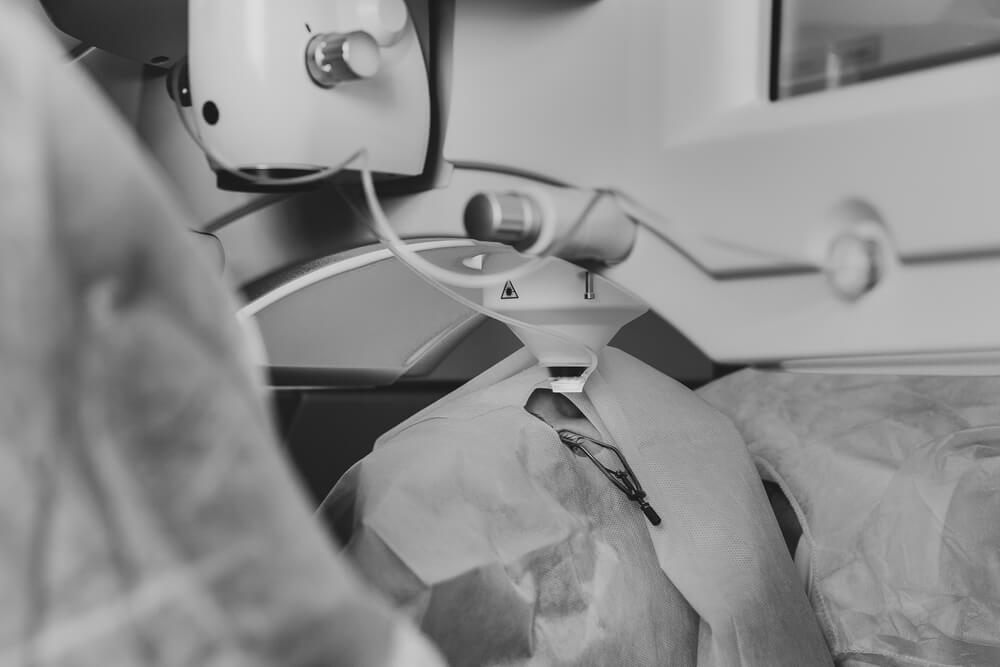
Cloudy vision, faded colours, halos around streetlights and trouble reading a menu in dim light are usually the first signs of a cataract. The condition is common as we age, and diabetes and family history can bring it on earlier. The good news is that cataract surgery is now one of the most routine and predictable procedures in modern medicine.
As medical care continues to evolve, patients also have more access to information about new treatments, technologies and approaches to care. Exploring reliable resources on modern healthcare can help people better understand their options and make more informed decisions before choosing a specialist or treatment.
The harder part is choosing where to have it done. Vadodara has plenty of eye clinics and hospitals, and they differ in surgical experience, lens options, follow-up care and how well they explain things. This guide covers what to look for and three names worth shortlisting.
How to Choose a Cataract Hospital
Before comparing names, decide what matters most to you. These points make a real difference:
The surgeon’s experience. Ask how many cataract procedures the surgeon performs and whether they handle complicated cases, such as dense cataracts or eyes with other conditions.
Technique and lens choice. Modern surgery uses a very small incision and a folded artificial lens. Good hospitals explain the options (monofocal, multifocal, trifocal, extended depth of focus) instead of pushing one.
Clear pricing. The final cost depends mostly on the lens you choose. A trustworthy hospital tells you the full figure, including tests and follow-up visits, before the day of surgery.
Follow-up care. Recovery matters as much as the operation. Check how many check-ups are included and whether you can reach the team if something feels wrong.
Convenience. You will visit several times, so travel time and parking are worth considering, especially for older patients.
With that in mind, here are three hospitals to consider.
1. Optiglow Eye Hospital: Focused, Personal Eye Care
For patients who want unhurried attention from a specialist, Optiglow Eye Hospital is a strong first choice for cataract surgery Vadodara. The practice is led by Dr. Dhwanit Khetwani, an ophthalmologist with more than nine years of experience and a special interest in oculoplasty, the surgery of the eyelids and the structures around the eye.
That background shows in the hospital’s approach. A surgeon who works on delicate eyelid and orbital problems tends to bring close attention to detail to the eye itself. Because the practice is specialist-led, you are likely to see the same doctor from the first consultation through to your follow-up visits, which many patients find reassuring.
Technique. Optiglow offers phacoemulsification, the standard modern method. Through an incision of only two to three millimetres, the clouded lens is broken up with ultrasound energy and gently removed. The procedure is done under local anaesthesia, usually needs no stitches, and most people are back to light daily routines within a day or two.
Lens options. The hospital offers a full range of intraocular lenses:
- Monofocal lenses give sharp distance vision. Most people still need glasses for reading.
- Multifocal and trifocal lenses cover near, middle and far distances, which suits people who want to rely less on spectacles.
- EDOF (extended depth of focus) lenses give smooth vision from far to intermediate range, which works well for computer use and driving, with fewer halos and less glare.
Beyond cataract. Optiglow also treats eyelid and orbital conditions such as entropion, ectropion and pterygium, and fits artificial eyes. If you have another eye problem alongside your cataract, you won’t need a separate referral.
Practical details. The clinic is at 402 Epsilon Complex, Abhishek Society, opposite Race Course Tower on Race Course Road. Consultation hours are Monday to Friday, 10 AM to 1 PM and 5 PM to 7:30 PM, and Saturday, 11 AM to 1 PM and 5 PM to 7 PM. You can call +91 95867 65084 to book. Pricing depends on the lens you choose, so ask for a written estimate at your first visit.
2. Zydus Hospitals (Zydus Multispeciality and Cancer Care, Vadodara)
Zydus is a well-known Gujarat healthcare name with hospitals in Ahmedabad, Anand and Vadodara. According to its website, the Vadodara hospital is a 300-bed multispeciality facility on a large campus, with a focus on heart, cancer, kidney, bone and neurological care. It employs full-time doctors and nursing staff and promotes a transparent, patient-centred approach.
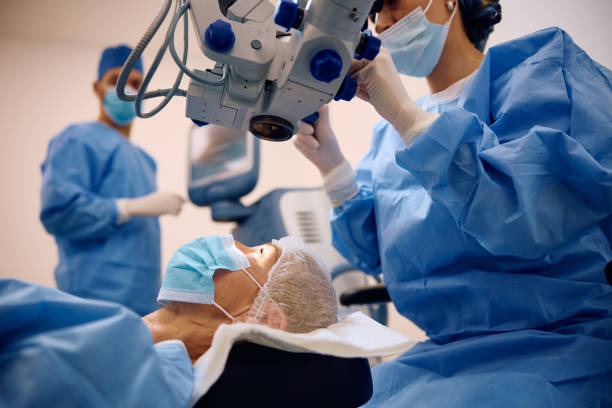
For cataract patients, the appeal is the setting. Many people needing cataract surgery are older and also manage diabetes, high blood pressure or heart conditions. In a multispeciality hospital, your eye surgeon can coordinate with a physician or cardiologist if you need pre-operative clearance. Emergency and intensive care services are on site, which can matter if you have complex health needs.
One caution: Zydus’s website does not list ophthalmology among its main specialities, so ask about it before you commit. Confirm that an eye surgeon is available at the Vadodara campus, which cataract techniques and lenses they offer, and how the hospital handles day-care surgery. The Vadodara emergency line on the site is +91 90332 12345.
3. ASG Eye Hospital: A Specialist Eye-Care Network
ASG Eye Hospital is one of India’s largest chains of dedicated eye hospitals. The group began in 2005 and now runs well over a hundred hospitals across more than 80 cities. Its services include cataract surgery, retina care, glaucoma, cornea treatment, LASIK and other refractive procedures, squint correction and children’s eye care. All of this is offered within one eye-only organisation.
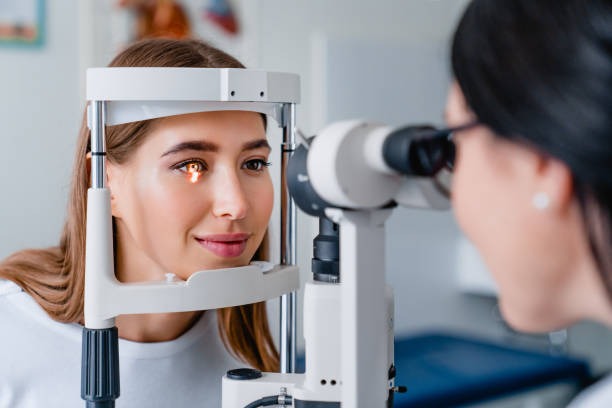
A chain brings standardised protocols and a deep bench of specialists. Experts in other fields, such as retina or cornea, are available if your eyes need more than a cataract operation. The group lists a toll-free number, 1800 1200 111, for appointments, and its website says patients can visit without booking.
A caveat: ASG’s website does not clearly show a Vadodara branch, so check the nearest location and which surgeons practise there before making plans. Ask which doctor will operate, because experience varies by centre.
What to Expect Around Cataract Surgery
Whichever hospital you pick, the process is similar.
Before surgery: an eye examination, measurements of your eye to calculate the lens power, and a review of your general health and medications. This is the time to discuss lens options and how much you want to depend on glasses afterwards.
On the day: surgery takes only a few minutes per eye, and you usually go home the same day. The two eyes are normally treated on separate days.
Afterwards: you will use prescribed eye drops for a few weeks. Avoid rubbing the eye, keep water and dust away, and skip heavy lifting for the period your surgeon advises. Mild irritation is normal. Call your surgeon at once if you notice increasing pain, redness or a sudden drop in vision.
Questions to Ask Before You Decide
Bring a short list to your consultation:
- Who will perform my surgery, and how many cataract procedures do they do?
- Which lens do you recommend for me, and why?
- What is the total cost, and what does it include?
- How many follow-up visits are included?
- Whom do I call if there is a problem after hours?
A hospital that answers these clearly and without pressure is usually a good sign.
Final Thoughts
The right cataract hospital is the one where you feel informed, comfortable and well looked after. Optiglow Eye Hospital stands out for its specialist-led, personal approach and range of lenses. Zydus suits patients who want a large multispeciality hospital behind them, and ASG offers the reach of a dedicated eye-care network. Visit, ask questions and compare before you decide. Your vision is worth the time.