

Education today has evolved into something much broader than the transfer of knowledge from teacher to student. It is now a process that nurtures character, creativity, and adaptability, qualities essential to thrive in an ever-changing world. Modern classrooms focus not just on academics but also on the emotional, social, and intellectual growth of every child. By teaching students how to think critically and communicate effectively, schools are helping them become well-rounded individuals ready to face the complexities of life with confidence.
Shaping Learners for the Future
The modern learning environment encourages curiosity and collaboration instead of mere memorization. Teachers act as mentors, guiding students through inquiry-based activities and hands-on experiences that develop problem-solving and teamwork skills. Institutions like Chitrakoota School in Nagarbhavi have embraced this holistic approach to education, combining academic strength with real-world applications. This helps learners not only grasp concepts but also understand their relevance in daily life. By experiencing learning rather than just hearing about it, students gain a stronger foundation for future challenges.
Connecting Learning to Life Skills
Developing life skills through education means preparing students to handle personal and professional situations effectively. Lessons on communication, decision-making, and emotional management are just as vital as math and science. Schools are now creating environments where children can practice empathy, leadership, and collaboration. In places like Chitrakoota School in Nagarbhavi, these values are woven into classroom activities, allowing students to grow as balanced, thoughtful individuals. This integration ensures that education remains meaningful beyond exams or grades, connecting learning to the real world.
Encouraging Curiosity and Critical Thinking
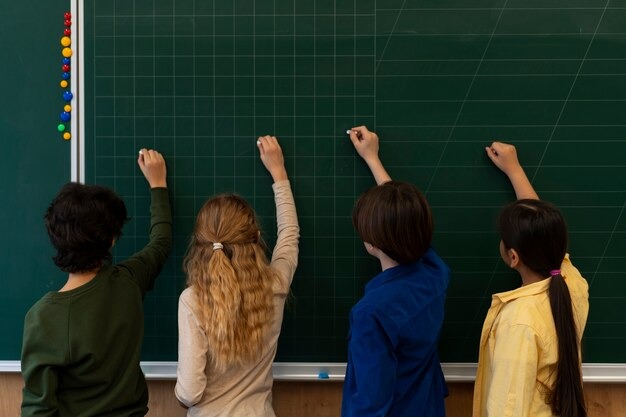
A major focus of modern education is teaching students how to think, not what to think. Instead of memorizing facts, learners are encouraged to question ideas, explore solutions, and analyze perspectives. This mindset fuels innovation and resilience, two qualities that matter in every career path. By presenting open-ended questions, project-based tasks, and interactive sessions, schools cultivate independent thinkers who can adapt to change. When students are given space to explore their ideas, learning becomes a more personal and lasting experience they carry beyond the classroom.
Bridging Education and Technology
Modern classrooms are no longer limited to textbooks and chalkboards. With innovative technologies like digital labs, interactive whiteboards, and virtual simulations, students now have access to limitless knowledge at their fingertips. These tools make learning more dynamic and accessible, encouraging self-paced exploration. Technology also fosters inclusivity by offering customized learning experiences suited to each student’s pace and style. By blending digital resources with traditional methods, education becomes more engaging and impactful, preparing young minds to navigate a technology-driven future.
Promoting Confidence Through Experience
Confidence is one of the strongest outcomes of practical education. Activities such as group discussions, art projects, debates, and community initiatives allow students to express themselves freely. This form of experiential learning shapes not just knowledge, but also personality. Schools that emphasize participation help learners overcome fear and build self-assurance in public settings. When children see their ideas valued and their voices heard, they develop a strong sense of self-worth, which becomes an essential tool in achieving success and happiness in later life.
Understanding the Real Value of Education
True education extends far beyond classrooms and report cards. It empowers students to make ethical choices, value diversity, and handle challenges gracefully. The benefits of modern education are visible in how individuals think, behave, and contribute to society. By focusing on emotional intelligence, digital literacy, and social awareness, today’s schooling prepares students for more than careers; it equips them for life itself. Education becomes a lifelong pursuit of learning and growth, rooted in adaptability and purpose.
Building a Foundation for Lifelong Learning
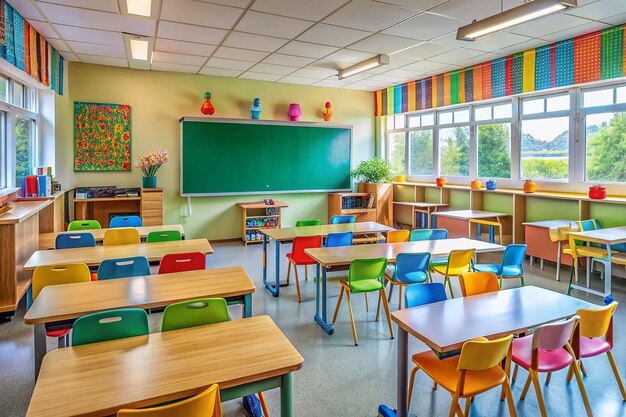
When education fosters curiosity and a desire to explore, it doesn’t end with graduation; it continues throughout life. Schools now focus on teaching students how to learn rather than simply what to learn. This philosophy transforms them into independent thinkers and active participants in their own development. As they grow, they remain open to new ideas and challenges, leading to continuous self-improvement. With proper guidance and an environment that encourages exploration, students can get started with your learning journey that lasts well beyond the classroom walls.
Integrating Values into Modern Learning
Education without values loses its purpose. Integrity, kindness, and respect are the moral anchors that shape a student’s outlook on life. By combining academics with character education, schools cultivate responsible citizens who contribute positively to society. This balanced approach ensures that intelligence is guided by compassion and that ambition is grounded in ethics. When young learners understand the importance of empathy and honesty, they not only excel academically but also become individuals who make the world better through their actions.
The Future of Education and Lifelong Skills
The ultimate goal of education is to empower learners with the ability to adapt, lead, and inspire. The modern system recognizes that every child learns differently and that success cannot be measured solely through tests. Schools that embrace this belief, such as Chitrakoota School in Nagarbhavi, are redefining what education truly means, helping students discover their strengths, embrace their potential, and shape their futures with confidence. With a foundation built on curiosity, compassion, and competence, students become lifelong learners who thrive in a constantly evolving world.